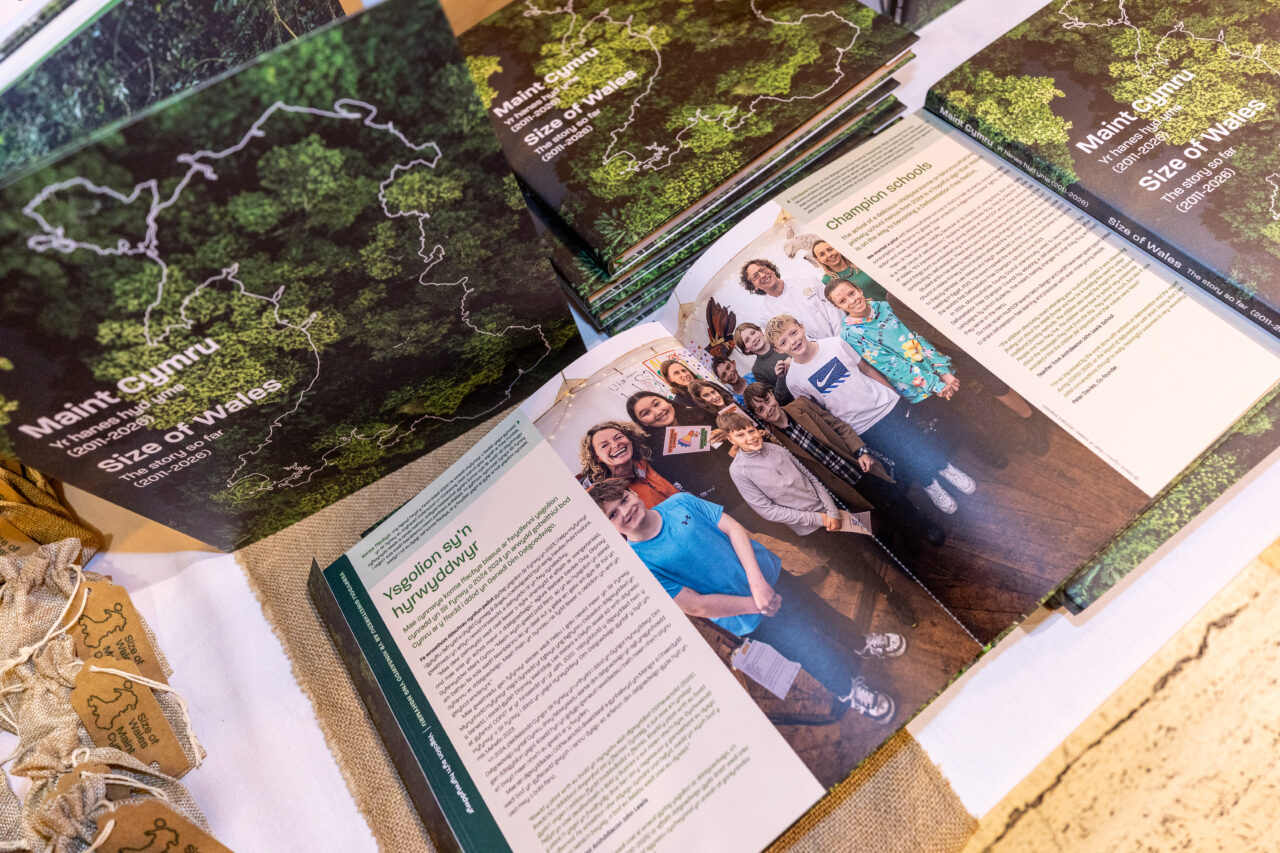
Five years on from the initial, landmark report into Wales’ tropical deforestation footprint for the main forest-risk commodities, Size of Wales and WWF Cymru have revisited the data on food to find out what, if anything, has changed. At the time of publication in 2021, over 140 countries committed to halting deforestation by 2030; however, in 2025, we lost 4.3 million hectares of tropical forest globally and Wales’ overall emissions from just four deforestation-linked commodities (soy, palm oil, coffee and cocoa) have risen by 1.38 million tonnes. This is despite the fact that during COP26 the Welsh Government committed “to do something to diminish and hopefully eliminate our footprint abroad as well as at home”.
The report
Wales and Global Responsibility II traces the global impact of our consumption of five everyday food commodities, i.e. soy (mostly used in livestock feed), imported beef, palm oil, cocoa and coffee. Tracing where they come from, their links to forest and habitat loss, greenhouse gas emissions, child and forced labour, and the abuse of Indigenous Peoples’ rights.
This new report finds that despite global commitments to halt and reverse deforestation, overall, the situation has actually worsened. Whilst it shows some reductions in the amount of beef imports from countries such as Brazil, imports of soy for livestock feed have increased exponentially – from 80% in the period 2011-18 to 91% with current data – with the other commodities remaining roughly the same. (Read the full report here)
Why are we consuming so much soy?
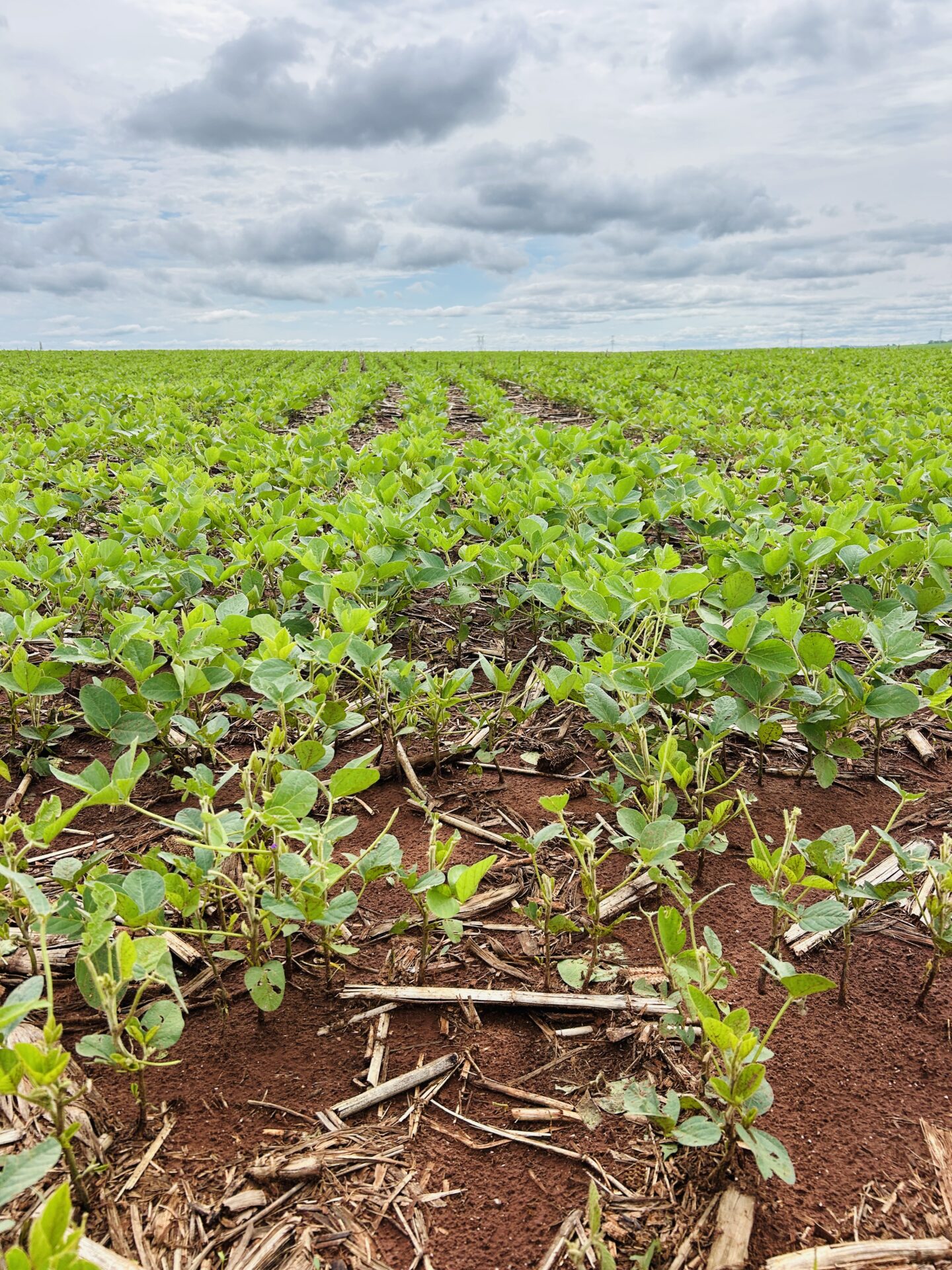
Wales imported an average of 186,000 tonnes annually between 2011 and 2025, requiring a land area equivalent to the size of Conwy. Only around nine per cent of this soy is eaten directly by people. The rest is fed to livestock with over half being consumed by intensive poultry farming. As the number of poultry housed in intensive poultry units (IPUs) in Wales rises, so too does the demand for soy – a protein-rich bean which provides the energy needed for the accelerated growth of intensively-raised birds.
Most of this soy comes from countries at high-risk of deforestation and/or social harm, such as Brazil, Paraguay and Argentina. Even soy imported under the mass balance model of certification, does not guarantee the actual physical feed itself will be sustainably produced. A recent estimate suggests that just 22 per cent of the UK’s soy imports are verified deforestation and conversion-free. (Conversion refers to changing land use from one form to another, e.g. converting tropical forest into agricultural land that grows only soy).
Beef
Despite a steady decrease in beef imports since 2011, beef still represents one of Wales’ largest land footprints, along with soy, at an average of 121,000 hectares and 114,000 hectares per year respectively; a combined land area the size of Carmarthenshire.
Brazil accounts for Wales’ largest overseas land footprint through imports of soy, beef and coffee. It is also home to the Guarani Indigenous People, whose ancestral territories lie in the threatened Atlantic Forest – one of the five global hotspots for biodiversity. The report identifies UK imports of soy and beef from municipalities containing Guarani territories, highlighting a realistic risk that Wales’ soy supply chains are intricately linked to the abuse of Indigenous Peoples.
Palm oil and coffee are most likely to come from countries rated high or very-high risk for deforestation and/or social harm. Yet soy’s footprint is so vast that its high-risk production area is nearly twice that of palm oil.
Between 2011 and 2025, producing Welsh imports of these five commodities required an average overseas land area every year equivalent to Pembrokeshire and Ceredigion combined. The emissions linked to deforestation and land conversion for just four of these commodities (soy, coffee, cocoa and palm oil) have risen to 1.40 million tonnes of CO2e, from 1.37 million tonnes during 2011-18 – one quarter of Wales annual transport emissions.
Choices with global consequences
Global responsibility is no longer optional – it’s critical to protecting people’s lives, livelihoods, and economic security at home and overseas. A recent UK Government National Security Assessment shows that biodiversity loss and ecosystem collapse pose a serious threat to national security, food supply and economic stability. Under the Well-being of Future Generations (Wales) Act 2015, Wales has a legal duty to consider the global impact of decisions made at home. But the clock is ticking. In 2025, 4.3 million hectares of primary tropical forest were lost, roughly equivalent to 11 football pitches every minute. The impact of such destruction is also felt at home, contributing to rising food prices, unstable supply chains and increased costs for households across Wales. When crops fail or global markets fluctuate, the price of everyday essentials, from bread to coffee, rises.
At the same time, this environmental catastrophe is accelerating climate change, fuelling more frequent and severe extreme weather here in Wales with storms, flooding and droughts damaging homes and disrupting our communities.
Deforestation free action
In recent years, some positive steps have been taken to reduce Wales’ exposure to deforestation risk, but stronger and more radical action is needed, i.e. not just voluntary actions, but real, practical actions that result in meaningful change. We must embed farm-to-fork ethical and sustainable food production across our policies and practices, such as public procurement. We must support farmers to transition away from soy and palm based livestock feed, whilst promoting consumption of protein-rich plants, e.g. legumes and peas, and eating “less but better” meat, dairy and eggs, such as those produced under agroecological standards, e.g. organic. This will require collective action across sectors to ensure everyone has access to affordable, healthy, nutritious and nature friendly food.
So, what’s happened in Cymru so far?
At a national level, the Welsh Government has included deforestation and conversion criteria in its Procurement Sustainability Risk Assessment tool, which public bodies are expected to complete for contracts over £25,000, though this is not mandatory. The Social Partnership and Procurement Act has embedded Wales’ well-being goals (WFG Act) into public procurement, with some global responsibility criteria included within the statutory guidance. In 2025, Wales’ Future Generations Commissioner recommended that the Welsh public sector become deforestation and conversion-free by 2028.
On a more local level, Monmouthshire CBC and Caerphilly CBC voted to become DF Champion Councils, working with schools and businesses to reduce deforestation risk in their catering supply chains, “one meal at a time”. More than 30 schools have become Deforestation Free Champion Schools, with pupils learning about the importance of tropical forests for people and nature, auditing menus for forest-risk ingredients, raising awareness and developing more sustainable options in partnership with local authorities.
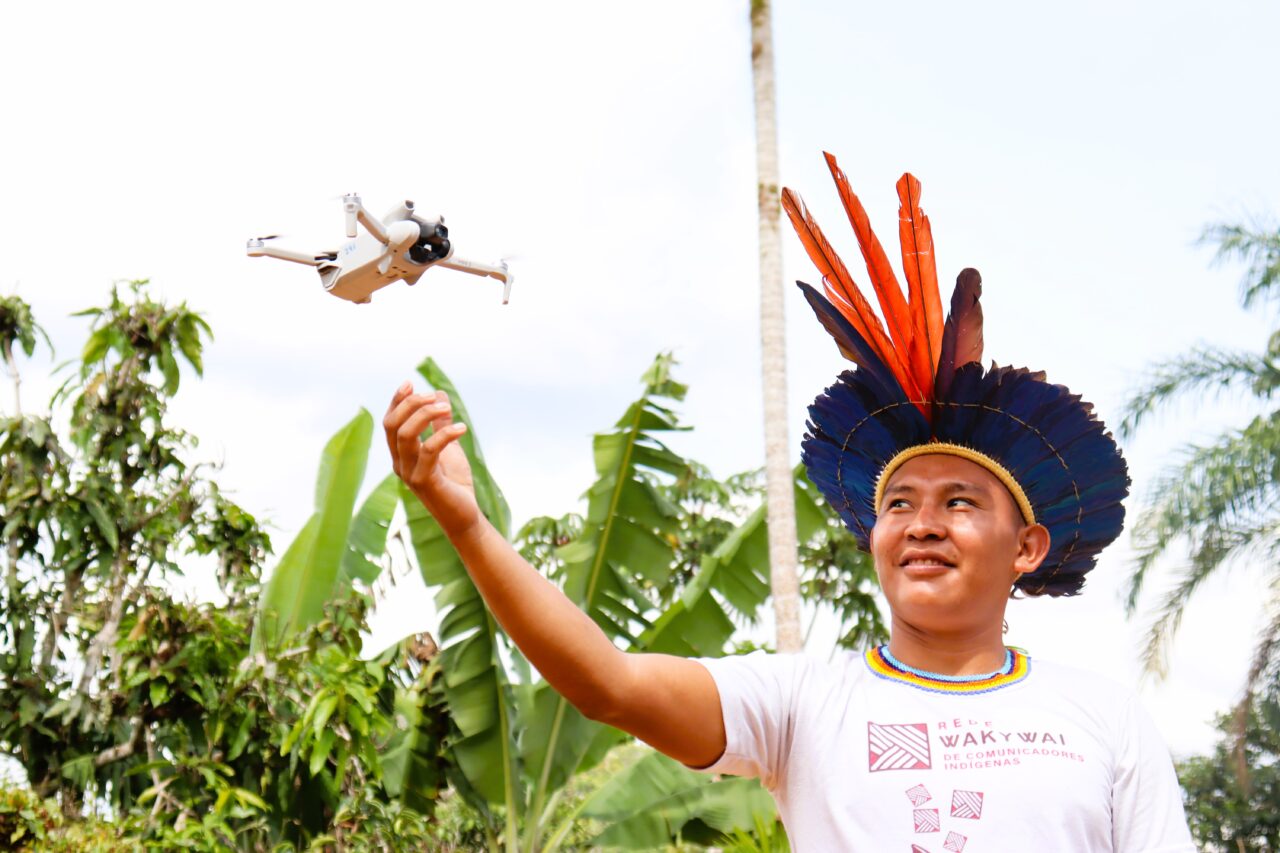
Wales’ international partnerships have also supported tree growing in Uganda and Indigenous-led forest protection in the Peruvian Amazon – proof that action in Wales can drive change worldwide for the benefit of all.
Recommendations for the Welsh Government
- Strengthen adherence to the Statutory Guidance of the Social Partnership and Procurement (Wales) Act, which includes deforestation free criteria, with the aim of increasing responsibly sourced food and materials, whilst decreasing our nation’s consumption of forest-risk commodities
- Develop a national food resilience plan with targets for increasing local, regenerative and organic production, and promoting a “less but better model” of animal consumption and increasing plant proteins for direct human consumption
- Align the Sustainable Farming Scheme with deforestation free goals and support farmers to produce high-quality food without relying on imported soy- and palm-based livestock feed
- Transform school food so that it’s responsibly sourced and moves away from ultra-processed foods, which damage both human and ecosystem health
- Expand global citizenship, climate and food literacy across education provision
- Support Indigenous Peoples and forest-protection projects
- Press the UK Government to implement strong forest-risk commodity regulation and mandatory due diligence