As the Director of Size of Wales for over five years, I am excited to share some stories from my recent trip to Mbale in Uganda and reflect a little on how things have changed over the last 25-30 years.
In 1998, I went to Ghana, living and working there for over two years as a volunteer for Voluntary Service Overseas. Since then, I have never looked back knowing that forests and trees are special, particularly at the tropics. Back then, climate change wasn’t a familiar phrase, but I could see with my own eyes how important trees and forests were for wildlife, people and the environment. One thing that was true then and is still true now is that the people suffering most from climate change in places like sub Saharan Africa are often those who contributed the least to it.
In my recent trip to Mbale in Uganda to attend the milestone celebrations of the distribution of 25 million trees, I was struck by just how incredibly simply we can improve the health of the planet, and the answer lies with nature. Trees and forests quietly draw down the carbon we release, asking nothing in return.
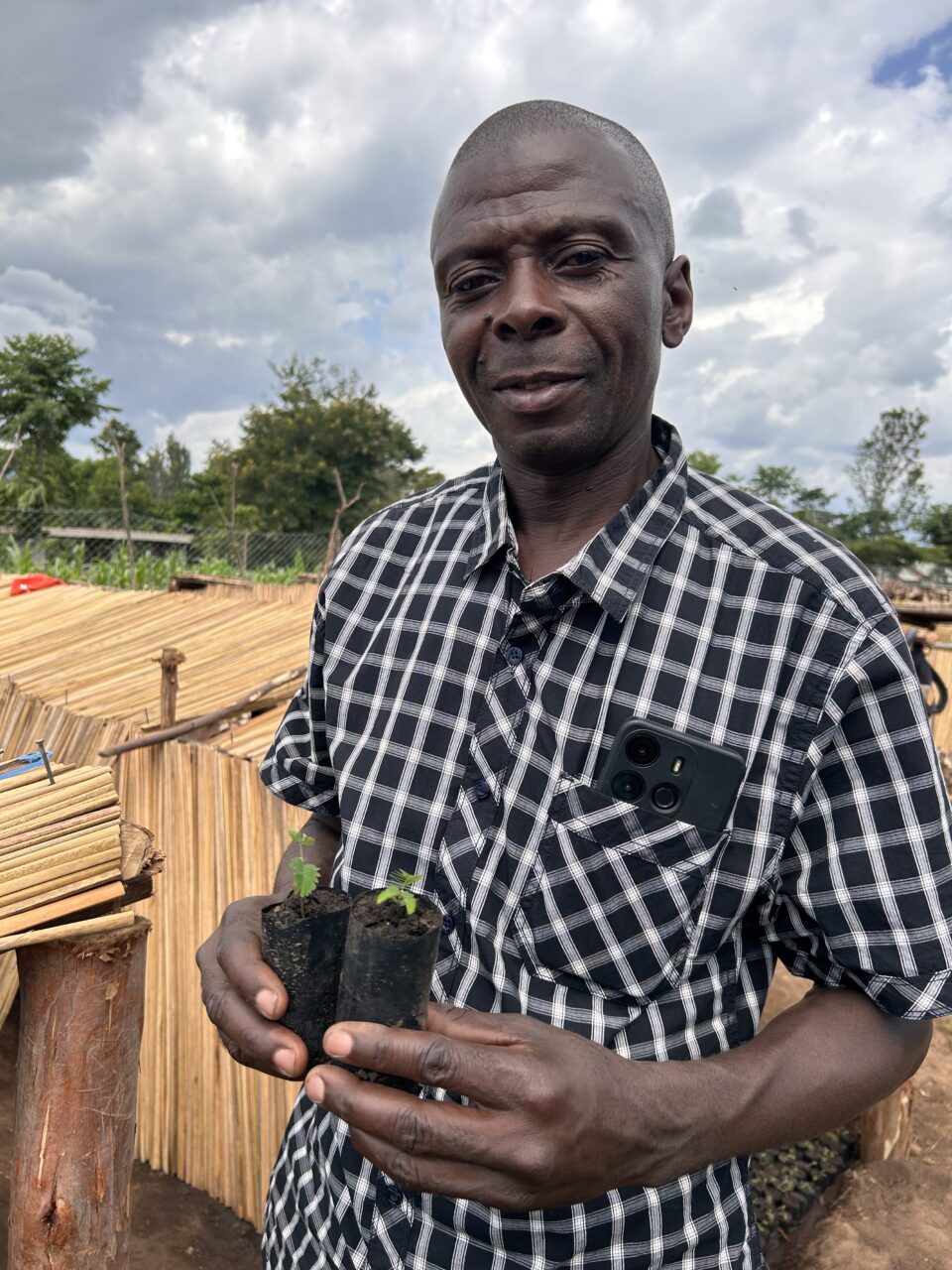
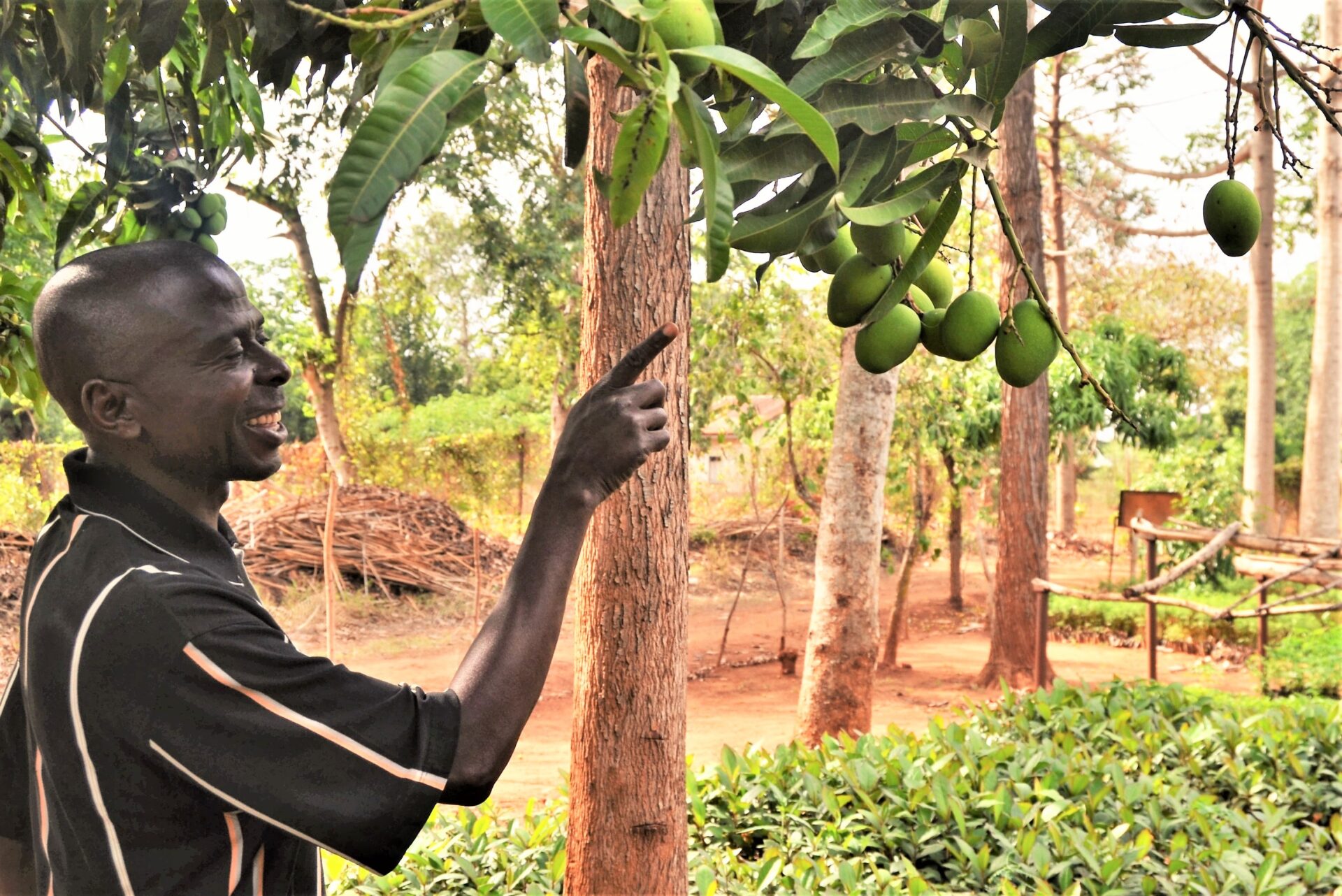
Growing trees in the tropics is incredibly effective. Trees grow at least four times more quickly near the equator, so they capture carbon much faster than trees planted in temperate areas such as Wales. It’s simple biology, but the implications are huge. When I was in Uganda last year, I met a METGE Extension Officer, Yusaf Makabuli at the 25 million trees celebration event who said: