Size of Wales and WWF Cymru are calling for urgent action from the UK and Welsh Governments following the publication of a UK Government National Security Assessment warning that global biodiversity loss and ecosystem collapse pose a serious and growing threat to national security, food supply, and economic stability.
The assessment makes clear that the destruction of critical ecosystems, such as tropical forests such as the Amazon, is no longer just an environmental issue, but a direct risk to food security, supply chains, global stability, and public wellbeing.
Despite this warning, Wales and the UK continue to import goods linked to deforestation through food and farming supply chains, particularly soy used for animal feed, as well as through financial flows such as pensions and investments, placing current practice at odds with the Glasgow commitment made at COP26 to halt and reverse deforestation by 2030.
“A clear warning but action must follow”
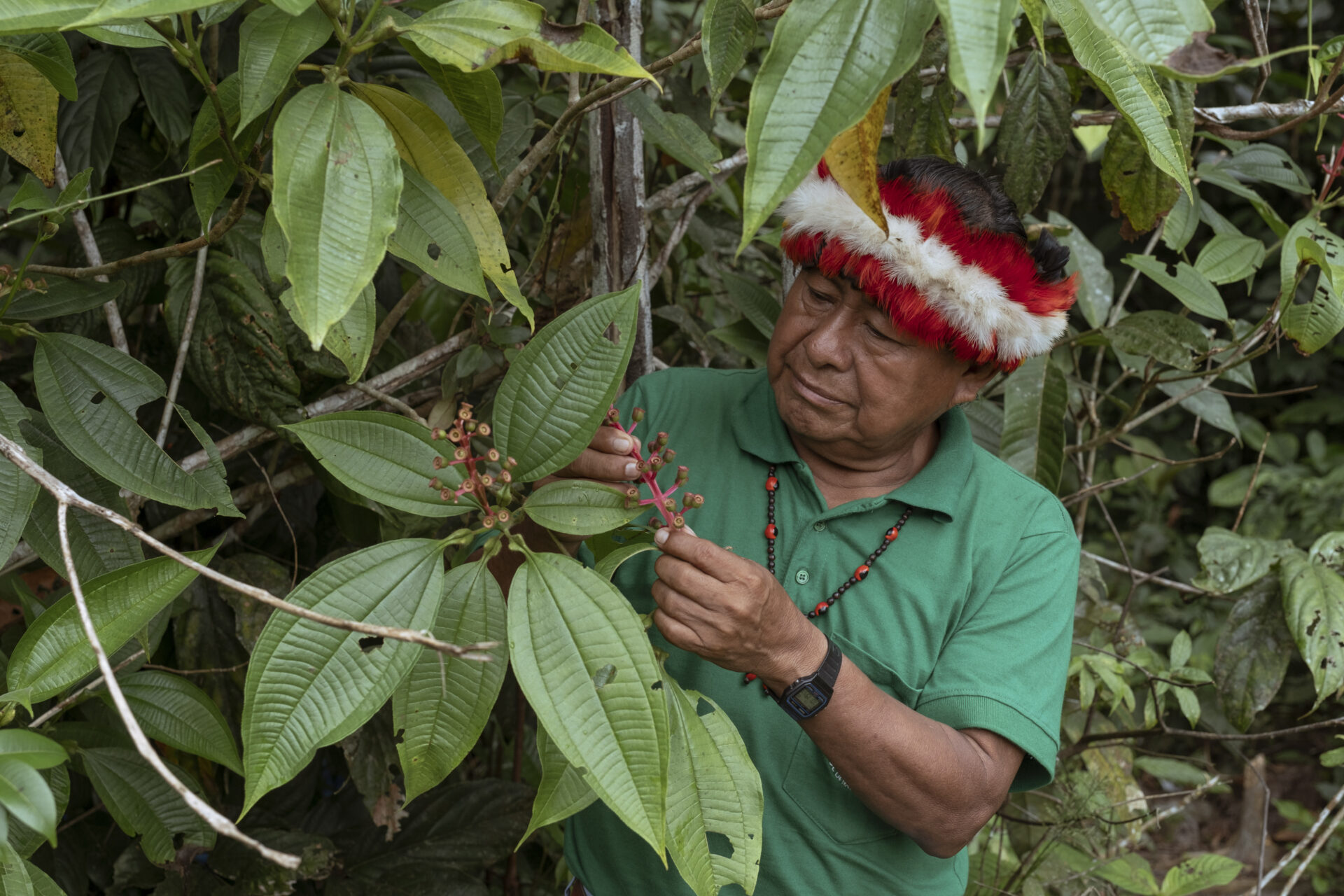
“This report is a stark reminder that global biodiversity loss and ecosystem collapse are already affecting our security, food systems and economies,” said Barbara Davies Quy, Deputy Director for Size of Wales.“I’ve seen first-hand the destruction of the Atlantic Forest, home to the Guarani people, where vast areas of biodiverse tropical forest have been cleared for monoculture soy production. When forests are destroyed like this, it harms Indigenous Peoples, accelerates climate change, and ultimately feeds back into risks we face here in Wales, from food insecurity to flooding.”
Size of Wales and WWF Cymru say the findings reinforce the need for its #DeforestationFreeNation campaign, which calls on Wales to become the world’s first nation to eliminate deforestation from its global footprint.
Shea Buckland Jones, WWF Cymru Head of Policy and Advocacy explains:
“Wales imports high-risk soy, particularly for use in livestock feed, which fuels international deforestation. High volumes of soy are used particularly in intensive dairy and poultry farming. Soy is high in phosphorus which is excreted in nutrient-rich livestock manure. Manure is spread on farmland and when it rains excess phosphorus–rich manure is washed into rivers and groundwater.”
“This example of a direct link between deforestation abroad and freshwater pollution in Wales, shows how Welsh consumption patterns not only contribute to deforestation, environmental damage and human rights abuses abroad, but also contribute significantly to the pollution choking our rivers at home.”
CALLS TO THE UK GOVERNMENT
Size of Wales and WWF Cymru are urging the UK Government to:
-
Urgently introduce secondary legislation under the Environment Act to strengthen due-diligence rules on deforestation-linked commodities.
-
Close loopholes that allow deforestation and human rights abuses to continue through complex supply chains.
-
Treat imported deforestation as a strategic national security risk, not a voluntary sustainability issue.
CALLS TO THE WELSH GOVERNMENT
-
Make public food procurement deforestation-free by default by 2030, including addressing soy embedded in meat and dairy supply chains.
-
Align food and farming policies with Wales’s climate, nature and global responsibility commitments.
-
Ensure public sector pensions and investments are not driving deforestation or ecosystem destruction overseas.
“Wales has a real opportunity to lead,” Barbara Davies Quy added. “By tackling deforestation linked to food, farming and finance, we can protect forests and Indigenous Peoples overseas while safeguarding our own rivers, food systems and future here in Wales.”